

Key Takeaways
- Container size and drainage holes are the two most critical factors in whether a potted plant thrives.
- Standard potting mix - not garden soil - is essential for healthy root development in containers.
- Most container plants need watering more frequently than in-ground plants, especially in summer heat.
- Combining plants with similar light and water needs in one pot dramatically reduces maintenance.
- Containers can be moved seasonally, giving you control over microclimates that in-ground beds can't offer.
Why Container Gardening Works
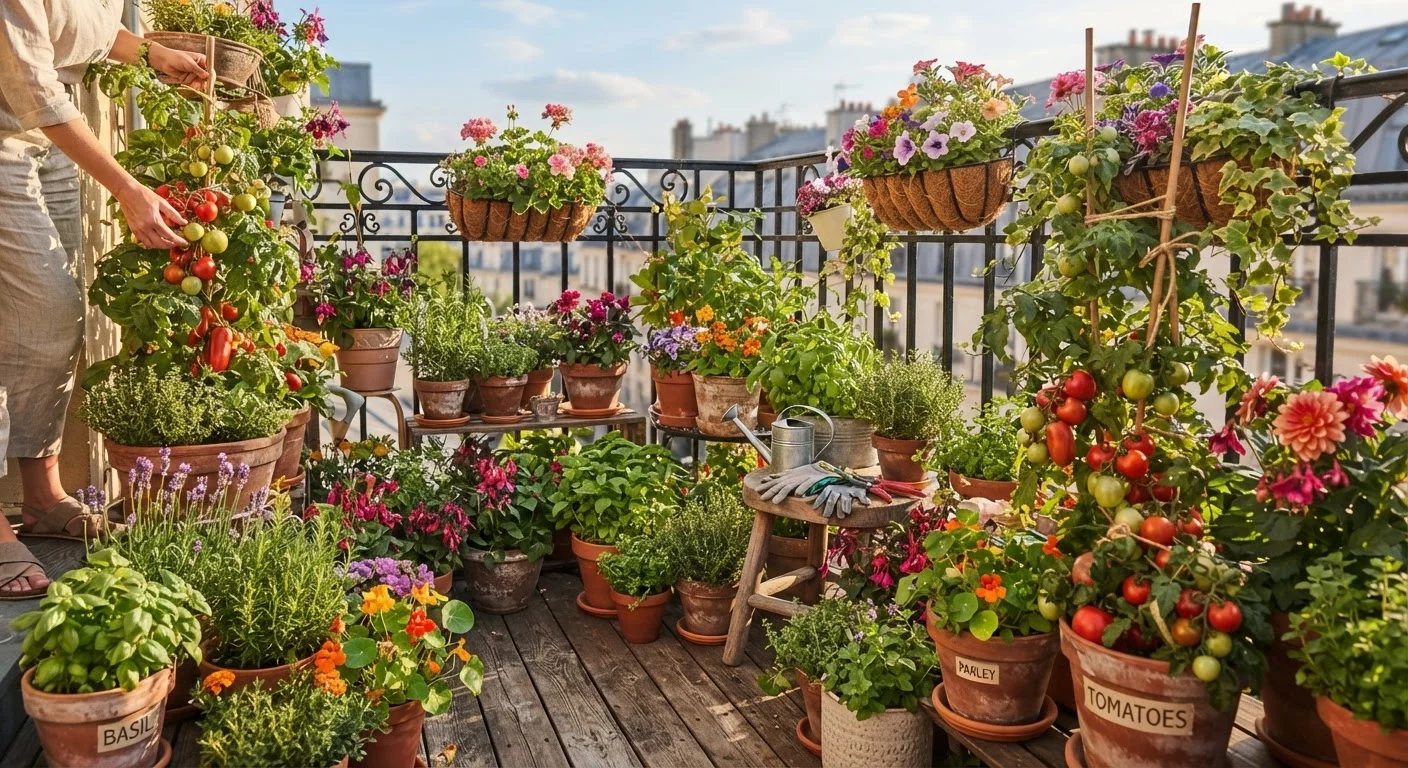
Container gardening is one of the most flexible approaches to growing plants - whether you have a sprawling backyard or a fourth-floor balcony. Pots and planters let you control soil quality, light exposure, and drainage on a plant-by-plant basis, which is genuinely difficult to do in an in-ground setting. For a deeper look at how containers stack up against other methods, see our comparison of raised beds vs. in-ground planting.
The portability factor alone makes containers worth considering. You can shift a heat-loving pepper plant to capture an extra hour of afternoon sun, or move a fern to a shadier corner when temperatures spike. That level of responsiveness simply isn't available with fixed planting beds.
80%
US gardeners who garden in containers
According to the National Gardening Association, the majority of American gardeners use containers as part of their overall gardening approach.
2-3×
Faster soil dry-out vs. in-ground beds
Extension horticulture research generally notes that container soil can dry out two to three times faster than garden beds, particularly in warm, windy conditions.
5 gal
Minimum container size for most tomato varieties
University cooperative extension programs consistently recommend at least a 5-gallon container for growing tomatoes to give roots adequate room and moisture retention.
Container gardening also pairs naturally with outdoor design. A well-arranged grouping of pots can anchor a seating area, frame an entryway, or fill dead zones on a concrete patio. For inspiration on how containers fit into broader outdoor planning, our guide on outdoor living spaces beyond the basic patio offers useful context.
Choosing the Right Container
Container selection isn't purely aesthetic - material, size, and drainage design all affect how a plant grows. Here's what to consider before you commit:
- Size: Larger containers hold more soil, which retains moisture longer and insulates roots from temperature swings. A container that feels oversized often outperforms a snug one. Tomatoes and peppers generally need at least 5 gallons; herbs can manage in 1-2 gallon pots.
- Material: Terracotta is breathable and classic, but dries out quickly - a plus for succulents, a challenge for moisture-loving plants. Plastic and glazed ceramic retain water longer and are lighter. Fabric grow bags offer excellent aeration and air-prune roots naturally.
- Drainage holes: Non-negotiable. A container without drainage holes will waterlog roots regardless of how carefully you water. If you love the look of a cache pot (a decorative outer pot with no holes), nest a plain nursery pot inside it and remove standing water from the outer pot after rain or watering.
Drill Extra Drainage Holes If Needed
If you find a container you love but it has only one small drainage hole, add more before planting. A standard drill with a masonry or tile bit works on ceramic and terracotta. More drainage openings mean more consistent airflow through the root zone and far less risk of waterlogging.
Weight matters too, especially for rooftop gardens or balconies. Always check your structure's load rating before placing heavy stone or ceramic containers. Lightweight alternatives like fiberglass or resin can look nearly identical to heavier materials.
Soil Mixes and Drainage
One of the most persistent container gardening mistakes is filling pots with garden soil dug from the yard. Garden soil compacts in containers, restricts root growth, and often drains poorly. A quality potting mix (sometimes labeled potting medium or container mix) is formulated to stay loose and aerated even after repeated watering.
Standard potting mixes typically include peat moss or coco coir for moisture retention, perlite or vermiculite for drainage and aeration, and a base of composted bark. You can amend these mixes for specific needs:
- For vegetables and heavy feeders: Blend in a slow-release granular fertilizer at planting time, or mix in a portion of finished compost. Our guide on composting at home explains how to produce your own amendment.
- For succulents and cacti: Add extra perlite (up to 50% of the mix) to maximize drainage.
- For moisture-loving ferns or tropical plants: Retain more coco coir and reduce perlite.
When repotting, choose a new container only 1-2 inches larger in diameter than the current one. Jumping to a dramatically larger pot encourages the mix to stay wet too long around roots that haven't yet expanded to fill it.
Root-to-soil ratio affects how quickly moisture is absorbed; too much unused soil around roots creates conditions favorable to root rot.
Self-watering containers with built-in reservoirs are particularly worth the investment for vegetables and herbs - they buffer the drying spikes that cause blossom drop in tomatoes and peppers.
Inconsistent moisture is a leading cause of fruit-set problems in container-grown fruiting plants; reservoir systems moderate these fluctuations without daily attention.
Avoid the common myth that adding gravel to the bottom of a container improves drainage - research on soil physics shows it actually raises the perched water table within the pot, keeping roots wetter. You can read more about this and similar misconceptions in our piece on garden myths that are leading you astray.
What to Grow and How to Combine Plants
Almost anything that grows in the ground can grow in a container with the right setup. Practically speaking, the most successful container choices share a few traits: compact or dwarf growth habits, tolerance for the root restriction that pots impose, and needs that match your available light.
Reliable container performers
- Herbs: Basil, parsley, chives, mint (keep mint contained - it spreads aggressively), thyme, and rosemary all thrive in pots. Our dedicated kitchen herb garden guide covers placement and harvesting in detail.
- Vegetables: Compact tomato varieties, lettuce, radishes, bush beans, and peppers are well-suited to containers. Deeper-rooted crops like carrots need pots at least 12 inches deep.
- Flowers: For continuous color, combining perennials and annuals works well - see our perennials vs. annuals planning guide for how to layer them.
The thriller-filler-spiller formula
Designers often use this simple approach for mixed containers: one tall, dramatic plant (thriller), several mounding plants to fill the center (fillers), and at least one trailing plant to cascade over the edge (spiller). The combination creates visual depth without requiring design expertise.
Mint Will Escape Any Mixed Planting
Mint is vigorous enough to crowd out neighboring plants in a shared container within a single growing season. Give mint its own dedicated pot to enjoy it without sacrificing everything planted alongside it. This applies to all mint varieties, including spearmint, peppermint, and chocolate mint.
Watering, Feeding, and Seasonal Care
Container plants dry out faster than in-ground plants because the pot limits the volume of soil that can hold moisture, and containers are often exposed to wind and reflected heat. During summer, small containers may need daily watering; larger ones every 2-3 days. A simple test: push your finger an inch into the soil. If it feels dry at that depth, water thoroughly until it drains from the bottom.
Consistent watering also leaches nutrients from the mix over time. Replenish them with a balanced liquid fertilizer every 2-4 weeks during the growing season, or use a slow-release granular product at the start of the season. Avoid over-fertilizing - excess nitrogen produces lush foliage at the expense of flowers or fruit.
Seasonal transitions
- Spring: Refresh potting mix or add a top layer of compost before planting annuals or moving tender plants back outside.
- Fall: Hardy perennials in containers may need extra insulation - cluster pots together against a wall or wrap them in burlap in cold climates, since roots in containers are more exposed to freeze-thaw cycles than in-ground roots.
- Winter: Move frost-sensitive plants indoors or to a sheltered garage. Empty and clean containers that won't be used to prevent cracking.
For a season-by-season task list that covers container care alongside broader garden maintenance, see our seasonal garden maintenance checklist.
Common Mistakes and How to Avoid Them
Even experienced gardeners run into the same container pitfalls. Recognizing them early saves time, money, and plant losses.
- Choosing a container that's too small
- Small pots dry out rapidly and restrict root development. When in doubt, size up.
- Overwatering
- More container plants die from overwatering than underwatering. Always confirm soil dryness before adding water rather than following a rigid schedule.
- Skipping fertilizer
- Nutrients in potting mix deplete within 4-6 weeks. Without supplemental feeding, plants will stall or yellow.
- Grouping plants with incompatible needs
- A sun-loving succulent and a shade-preferring fern will not thrive in the same pot. Match light, water, and soil preferences before combining plants.
- Ignoring pot weight and structural limits
- Especially on balconies and decks, weight accumulates quickly. Verify load capacity before arranging large or numerous containers.
Container gardening rewards attention to these fundamentals. When the basics are handled well, pots and planters become one of the most productive and adaptable growing systems available - regardless of how much outdoor space you have to work with.