

Key Takeaways
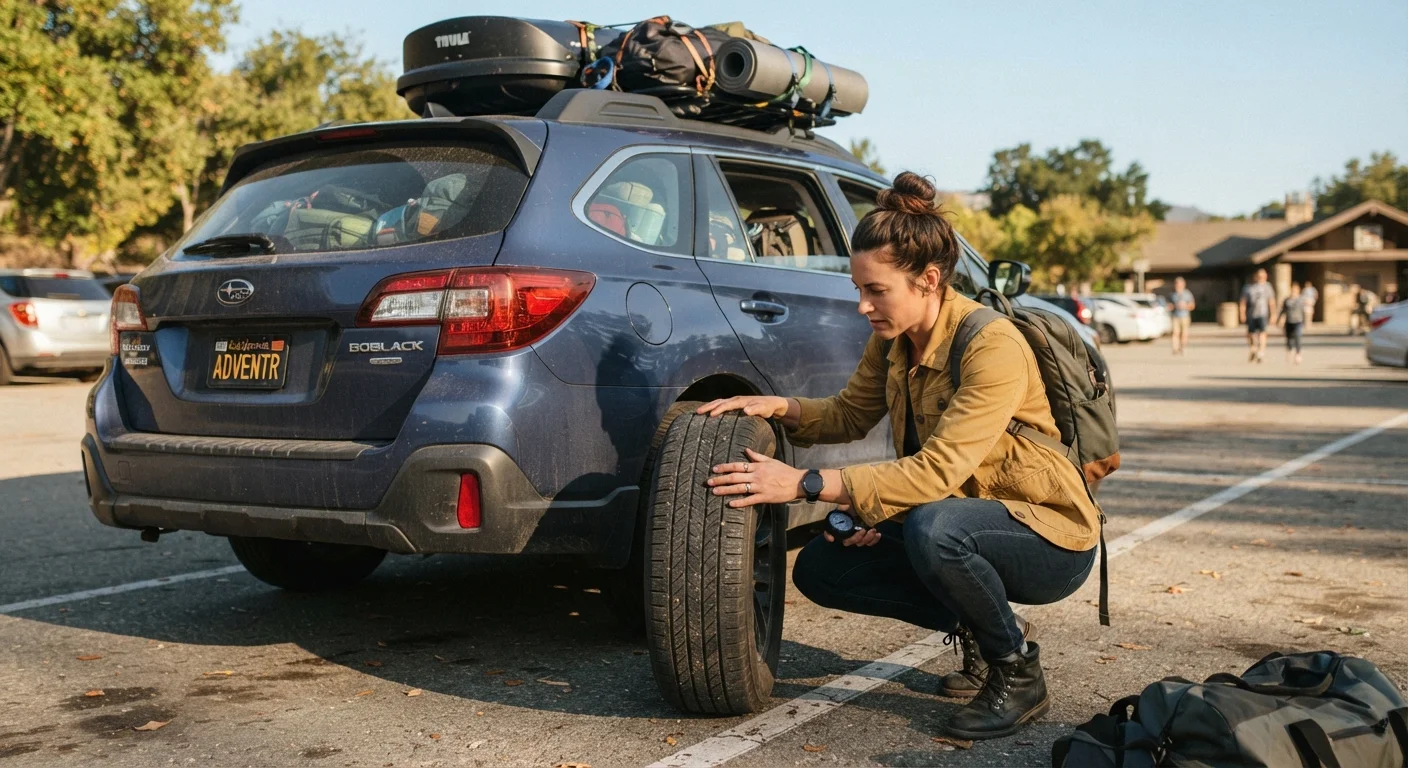
- Checking tire pressure and tread before a long trip is one of the highest-impact safety steps you can take.
- Fluid levels - oil, coolant, brake fluid, and washer fluid - should all be verified the day before departure.
- A working spare tire and basic emergency kit are non-negotiable for any highway journey.
- Brake feel and warning lights deserve immediate attention; don't defer known issues before a long drive.
- Most walk-around checks take under 45 minutes and require no special tools.
Summary
22 items · 20-45 minutes
Why a Walk-Around Matters More Than You Think
Most roadside breakdowns are predictable - and preventable. A deliberate pre-trip inspection takes less than an hour and puts eyes on the systems most likely to fail under sustained highway stress: tires, fluids, brakes, and lights. Think of it as a pilot's pre-flight check adapted for your driveway.
This isn't about being overly cautious; it's about turning known risks into managed ones. A slow tire leak is a minor fix at home and a dangerous blowout at 70 mph. Low coolant is a quick top-up in your garage and an overheated engine on a remote stretch of interstate. The difference is timing.
For a broader look at how vehicle condition shifts with the seasons, see our guide on preparing your vehicle for every climate shift. And if you want to know what sounds to listen for during your walk-around, warning sounds your car makes is a useful companion reference.
Tire pressure gauge
Accurately measures PSI in each tire so you can inflate or deflate to the manufacturer's specification.
Portable air compressor or tire inflator
Allows you to correct tire pressure at home before departure without a trip to a gas station.
Flashlight or work light
Essential for inspecting under the hood, beneath the vehicle, and inside the spare tire compartment in low-light conditions.
Clean lint-free rags
Used to check and wipe the oil dipstick cleanly so you get an accurate reading.
Tread depth gauge
Provides a precise measurement of remaining tire tread, more accurate than the coin test for borderline tires.
Jump starter pack
Lets you restart a vehicle with a weak battery without needing another car nearby - particularly useful on remote routes.
The Full Pre-Trip Checklist
Work through each group systematically. Start the engine for a few minutes before you begin so warning lights have a chance to register, then walk the vehicle exterior before popping the hood. Completing this in a logical order - outside first, underhood second, interior last - helps ensure nothing gets missed.
Tires
Fluids
Lights and Visibility
Brakes and Steering
Under the Hood and Battery
Dashboard and Emergency Prep
Don't Drive on a Known Problem
If your walk-around uncovers a warning light you can't identify, a brake concern, or a tire with visible damage, address it before leaving - not at your destination. Highway driving places sustained, elevated stress on every system in your vehicle. A marginal condition that seems driveable in town can deteriorate rapidly at freeway speeds or in extreme heat.
For a complementary safety-focused perspective that covers emergency kit essentials and driver readiness, refer to our driver safety checklist for road trips. If your car has accumulated some deferred maintenance items, our article on neglected maintenance tasks can help you prioritize what to address before you leave.
When to Involve a Mechanic
Some findings during your walk-around call for professional assessment before you depart - not after you return. Brake pedal softness, a grinding sensation when stopping, visible rotor scoring, or a dashboard warning light you can't identify all warrant a shop visit. Our detailed breakdown of how your brake system actually works explains exactly what a technician looks for during a brake inspection.
If you discover a fluid leak - evidenced by spots on your driveway or a rapid drop in fluid level - do not top off and drive. The source of the leak matters as much as the level itself. A qualified mechanic should diagnose any active leak before a long highway run.
Active Fluid Leaks Are a No-Go
Topping off a fluid that's actively leaking only masks the underlying problem. Driving with an oil, coolant, or brake fluid leak on a long trip risks engine damage, overheating, or brake failure - outcomes far more serious and expensive than a pre-trip repair. If you spot a fresh leak, have a qualified mechanic identify the source before you depart.
For most drivers, this checklist surfaces nothing alarming - just a tire needing air or a washer fluid reservoir to refill. That's the ideal outcome: quick confirmation that your vehicle is ready. Starting a trip with that confidence is worth every minute of the inspection.