

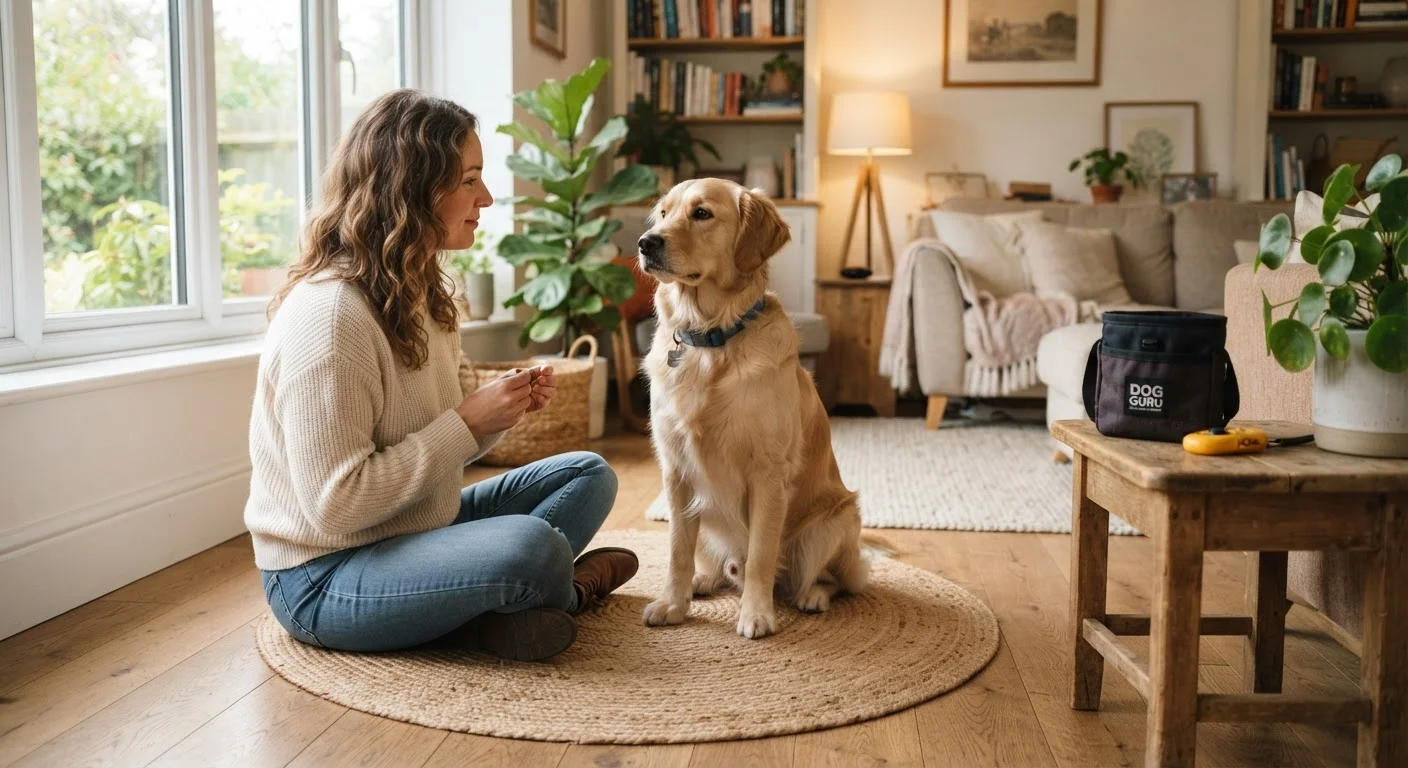
Key Takeaways
- Choose a consistent, low-distraction space for early training sessions to help your pet focus.
- Identify your pet's highest-value reward before the first session — not all motivators are equal.
- Keep initial sessions short (5–10 minutes) to match your pet's attention span and prevent frustration.
- Set one clear, achievable behavioral goal per session rather than tackling multiple skills at once.
- Your own calm, consistent body language is one of the most powerful training tools you have.
Summary
18 items · 20–45 minutes
Why Preparation Makes or Breaks Your First Session
Most training struggles don't start with a stubborn pet — they start with an underprepared owner. Walking into a first session without the right environment, rewards, or goals dramatically increases the chance of frustration on both ends of the leash. Science-based training methods, including positive reinforcement, rely on precise timing and consistency, both of which are nearly impossible to achieve when you're scrambling for treats or competing with household noise.
Whether you're working with a new puppy, an adult rescue dog, or a cat you'd like to engage more, the principles of preparation are remarkably similar. Dog training fundamentals and cat-specific training strategies both emphasize that motivation and environment shape outcomes more than repetition does.
This checklist walks you through every step to complete before your first formal session — from your space setup and reward selection to your own mental readiness. Work through each group in order for the smoothest possible start.
Treat Pouch or Bait Bag
Keeps high-value rewards accessible at your hip for fast, precise delivery without fumbling.
Clicker or Verbal Marker
Provides a precise, consistent signal that marks the exact moment your pet performs the desired behavior.
Non-Slip Mat or Training Rug
Defines the training zone and gives your pet stable footing, especially useful for stationary skills.
Session Log (Notebook or App)
Tracks reward effectiveness, duration of focus, and progress across sessions to inform future training.
Measuring Spoon or Kitchen Scale
Ensures treat portions stay within your pet's daily caloric needs across multiple training sessions.
Your Complete Pre-Training Checklist
The checklist below is organized into four preparation phases. Complete all must items before your first session; should items will meaningfully improve consistency; nice-to-have items support longer-term progress.
Environment Setup
Reward Selection
Goals and Session Planning
Owner Readiness
Health Must Come Before Training
Before starting any training program, confirm your pet is in good baseline health. Pain, undiagnosed illness, or untreated anxiety can mimic resistance or distraction and will undermine even the best preparation. If your pet seems unusually reactive, disengaged, or physically uncomfortable, consult a veterinarian before proceeding with a training routine.
If your pet has recently joined your household, make sure foundational health needs are already in motion. Our new pet veterinary care roadmap outlines the health steps that should precede a structured training program.
Setting Realistic Expectations
Preparation also means adjusting what you expect from session one. Most pets will not master a skill in a single sitting — and that's entirely normal. The goal of your first session is simply to introduce the communication format: a cue, a response, a reward. Success looks like your pet engaging with you, even briefly, rather than executing a perfect sit or stay.
Avoid Training Through Fatigue or Stress
If your pet is yawning excessively, turning away, or showing displacement behaviors like sniffing the ground repeatedly, the session should end — not escalate. Pushing past a pet's engagement limit can create a negative association with training itself. Always end on a successful, easy repetition your pet can win, even if that means scaling back your goal mid-session.
Keep a short log after each session — what reward worked best, which distractions appeared, and how long your pet stayed focused. This simple habit accelerates progress far faster than relying on memory alone. For pets that also experience anxiety in new situations, building comfort gradually mirrors the advice in our vet visit prep checklist for anxious pets — the same desensitization principles apply.
Finally, nutrition plays a quiet but real role in trainability. A pet that is hungry beyond normal motivation — or one whose diet is missing key nutrients — may be harder to engage. See our guidance on feeding a pet for the first time if you have questions about your pet's baseline diet.
This article provides general educational information about pet training preparation and is not a substitute for personalized advice from a certified professional animal trainer or veterinarian.