

Key Takeaways
- Overwatering and underwatering often produce identical-looking symptoms, making diagnosis tricky.
- Watering on a fixed schedule ignores what plants actually need based on soil and weather.
- Shallow, frequent watering trains roots to stay near the surface, weakening plants long-term.
- Pot drainage, soil type, and season all significantly affect how much water a plant truly needs.
- Checking soil moisture before watering - not the calendar - is the single most reliable habit.
Why Watering Is Harder Than It Looks
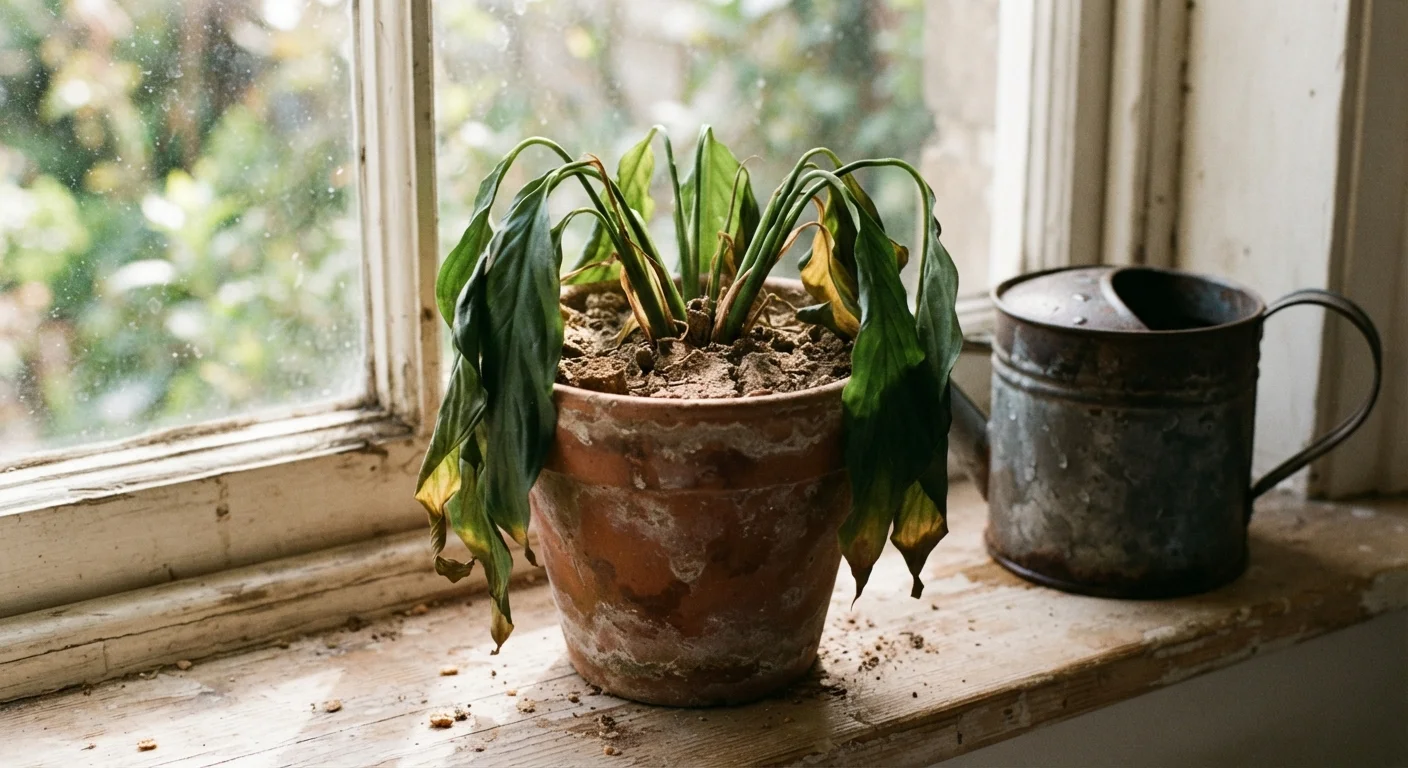
Watering feels like gardening's most basic task, yet it's responsible for more plant deaths than pests, disease, or neglect combined. The frustrating truth is that both too much and too little water produce nearly identical warning signs - yellowing leaves, wilting, browning tips - which leads well-meaning gardeners to treat the wrong problem and compound it.
Understanding why common watering habits go wrong is the first step toward correcting them. The mistakes below apply to container plants, in-ground beds, and everything in between. For those tending herbs indoors or outdoors, our guide to kitchen herb care covers watering rhythm specific to those plants.
Watering on a fixed schedule regardless of conditions.
Why it happens: Schedules feel reliable and easy to remember, so gardeners stick to them even when temperature, humidity, or season have shifted dramatically.
Watering shallowly and frequently instead of deeply and infrequently.
Why it happens: A quick sprinkle feels like enough, especially if the soil surface looks wet. It's also faster.
Assuming wilting always means the plant needs more water.
Why it happens: Wilting looks like thirst, so the instinct is to water. But wilting caused by root rot from overwatering looks almost identical to wilt from drought.
Watering the foliage rather than the root zone.
Why it happens: Overhead watering with a hose or sprinkler is convenient and covers ground quickly.
Using pots without drainage or ignoring waterlogged soil.
Why it happens: Decorative pots are often chosen for looks, not function, and the importance of drainage is underestimated until roots begin to rot.
How to Build a Smarter Watering Routine
Correcting these habits doesn't require expensive equipment - mostly it requires slowing down and paying attention to what the soil and plant are telling you.
#1 Cause
Leading cause of houseplant death
Overwatering is consistently cited by horticulturalists as the most common reason houseplants fail, outpacing underwatering and pest damage.
2 inches
Soil depth to test before watering
University extension programs commonly recommend checking soil moisture at a depth of at least two inches before deciding whether to water.
The finger test: Insert your finger two inches into the soil. If it feels moist, wait. If it's dry at that depth, water deeply until it drains from the bottom of the pot or saturates the root zone in-ground. This one habit eliminates guesswork more reliably than any schedule.
Observe seasonal shifts: A plant that needed water every three days in summer may only need it once a week in fall. Our seasonal garden maintenance checklist outlines how care needs shift throughout the year.
Don't Water by Leaf Color Alone
Yellowing leaves are frequently misread as a sign of underwatering, leading gardeners to add more water to an already saturated root zone. Yellow leaves can indicate overwatering, nutrient deficiency, or poor drainage just as often as drought. Always confirm soil moisture before responding to visual symptoms.
Match your container to the plant: Drainage holes aren't optional. If a decorative pot lacks drainage, use it as a cachepot - place a plain nursery pot with holes inside it. For a deeper dive into container selection and soil mixes, see our container gardening guide.
For gardeners planning mixed beds, it helps to group plants with similar moisture needs. Choosing perennials and annuals strategically can simplify maintenance by reducing the number of different watering regimes you manage at once. And if you've been following advice that hasn't worked, it may be worth checking our roundup of common garden myths - some widely repeated watering tips aren't supported by evidence.