

Key Takeaways
- Preventive care needs change at every life stage, from puppyhood through senior years.
- Annual or biannual vet exams catch health issues before they become serious problems.
- Parasite prevention, dental hygiene, and nutrition are daily pillars of canine wellness.
- Senior dogs benefit from more frequent bloodwork and targeted health screenings.
- Consistent routines — not single interventions — are what protect a dog's long-term health.
Why Preventive Care Outperforms Reactive Treatment
Most health problems that shorten a dog's life — dental disease, obesity, kidney decline, and tick-borne illness — are either preventable or far more manageable when caught early. Preventive care isn't a single appointment; it's a structured, evolving routine that adapts as your dog ages.
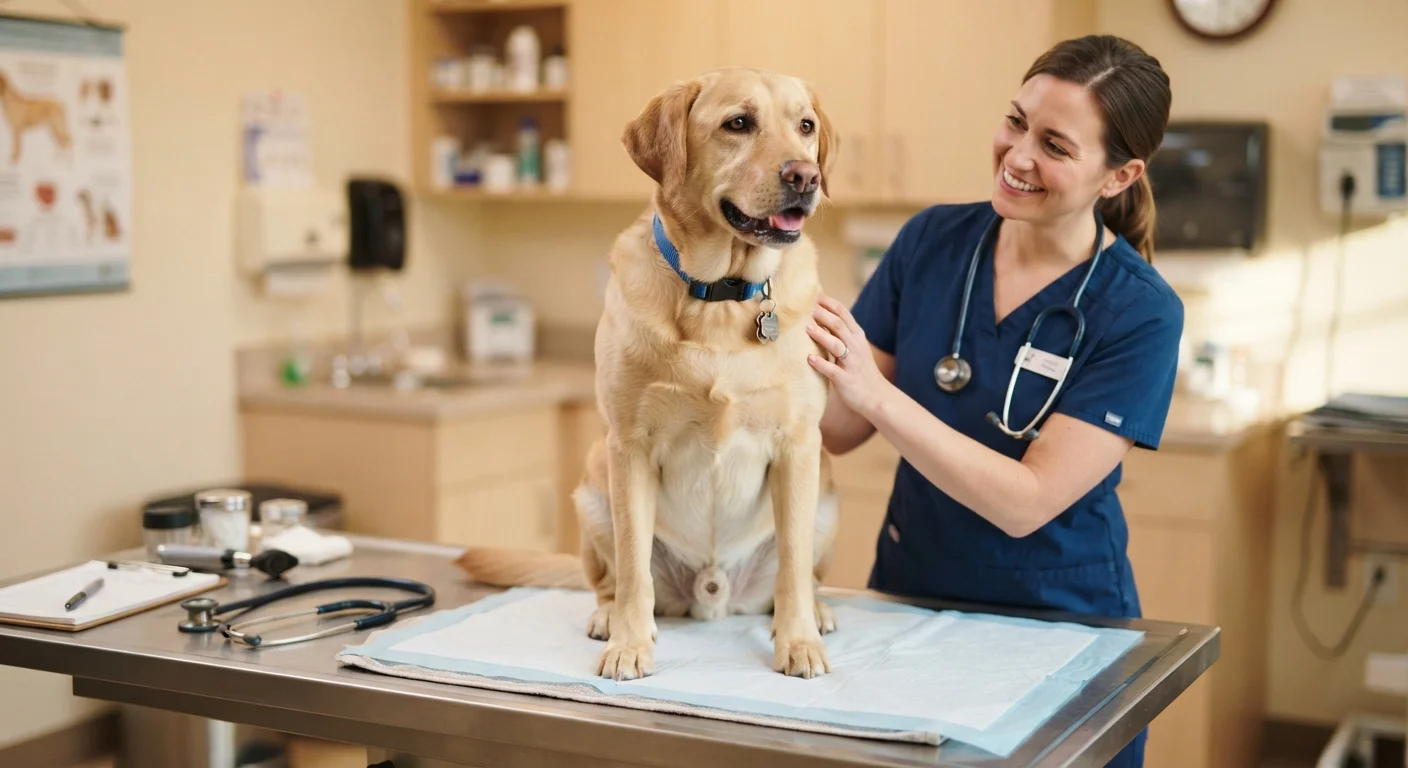
Veterinary organizations generally recommend that dogs receive a comprehensive physical exam at least once per year, with twice-yearly visits advised for dogs over seven. Each exam gives your veterinarian a baseline to compare against over time, making subtle changes — a heart murmur, early joint stiffness, mild weight gain — detectable before they escalate.
If you're just getting started, our veterinary care roadmap for new pets covers the foundational steps, from initial vaccines to microchipping, that set the stage for lifelong wellness.
Preventive Care Looks Different for Every Dog
Breed, size, geographic location, and lifestyle all influence which preventive measures matter most for a given dog. Large and giant breeds, for instance, are more prone to joint disease and may benefit from mobility assessments earlier in life. Always work with a licensed veterinarian to tailor a preventive plan to your individual dog's needs rather than following a one-size-fits-all schedule.
Core Preventive Practices at Every Life Stage
A dog's preventive needs shift considerably from the puppy phase through adulthood and into the senior years. The practices below reflect veterinarian-informed guidance applicable across all stages, with adjustments noted where life stage matters most.
Schedule annual wellness exams — and biannual exams for dogs over seven.
Regular physical exams allow veterinarians to detect early signs of disease, track weight and body condition, and update preventive treatments. Senior dogs metabolize changes faster, making twice-yearly visits more appropriate for catching age-related conditions early.
Keep core vaccinations and lifestyle-based boosters current on your vet's recommended schedule.
Core vaccines — including rabies and distemper-parvovirus combinations — protect against potentially fatal diseases. Non-core vaccines like leptospirosis or Bordetella may be recommended based on your dog's exposure risk and lifestyle.
Administer year-round parasite prevention for fleas, ticks, and heartworm.
Heartworm disease is transmitted by mosquitoes and can be fatal if untreated; prevention is far safer and less costly than treatment. Flea and tick prevention protects against secondary infections, Lyme disease, and tapeworm transmission.
Establish a dental hygiene routine that includes regular tooth brushing.
Periodontal disease affects the majority of dogs over three years old and is linked to systemic health issues involving the heart and kidneys. Daily or several-times-weekly brushing with dog-safe toothpaste significantly slows plaque and tartar buildup.
Monitor body weight and body condition score consistently, and adjust food portions accordingly.
Overweight dogs face elevated risks for joint disease, diabetes, and reduced lifespan. Body condition scoring — a tactile and visual assessment of fat cover — is more informative than weight alone and can guide feeding decisions between vet visits.
Request age-appropriate diagnostic screening, including bloodwork and urinalysis, for adult and senior dogs.
Blood panels and urinalysis reveal organ function, blood cell counts, and early indicators of disease that physical exams alone cannot detect. Establishing baseline values in middle age makes it easier to identify meaningful deviations in senior years.
Nutrition as Preventive Medicine
Diet is one of the most powerful tools in preventive care, yet it's easy to overlook once a feeding routine is established. A dog's caloric and nutritional needs shift with age, activity level, and health status. Feeding an adult-formula food to a senior dog, for example, can contribute to unnecessary weight gain that strains joints and cardiovascular function.
Our guide to canine nutrition across life stages walks through what changes and why at each phase. For a deeper look at what dogs actually need in their food, nutrients every dog needs covers the core building blocks and signs of deficiency. The Pet Nutrition hub also offers broader feeding guidance across species and life stages.
Staying Consistent: The Long Game
Preventive care works because of consistency, not occasional effort. A dog that sees the vet annually, receives parasite prevention monthly, gets its teeth brushed regularly, and eats a life-stage-appropriate diet accumulates health advantages that compound over years. The goal isn't to react to problems — it's to reduce how many arise in the first place.
Budgeting for routine care makes consistency easier. Wellness visits, parasite preventives, and dental cleanings are predictable costs that can be planned for. Our budgeting and saving resources offer practical frameworks for managing recurring pet care expenses without financial strain.
“An ounce of prevention is worth a pound of cure — and in veterinary medicine, that principle plays out in measurable ways every day. The dogs that age most gracefully are typically those with consistent, proactive care throughout their lives.”
— American Veterinary Medical Association, National professional organization for veterinary medicine in the United States
This article provides general pet health information and education. It is not a substitute for personalized veterinary advice. Always consult a licensed veterinarian regarding your dog's individual health needs, medical history, and appropriate care plan.