

Key Takeaways
- A wellness exam covers far more than vaccines — it's a full physical evaluation of every body system.
- Many serious conditions, including organ disease and dental infections, show no obvious symptoms in early stages.
- Bloodwork and urinalysis, often added at wellness visits, reveal internal changes not visible during physical examination.
- Senior pets typically benefit from more frequent checkups than once a year.
- Skipping annual exams can turn an early, manageable finding into a costly or difficult-to-treat condition.
Annual Wellness Exam
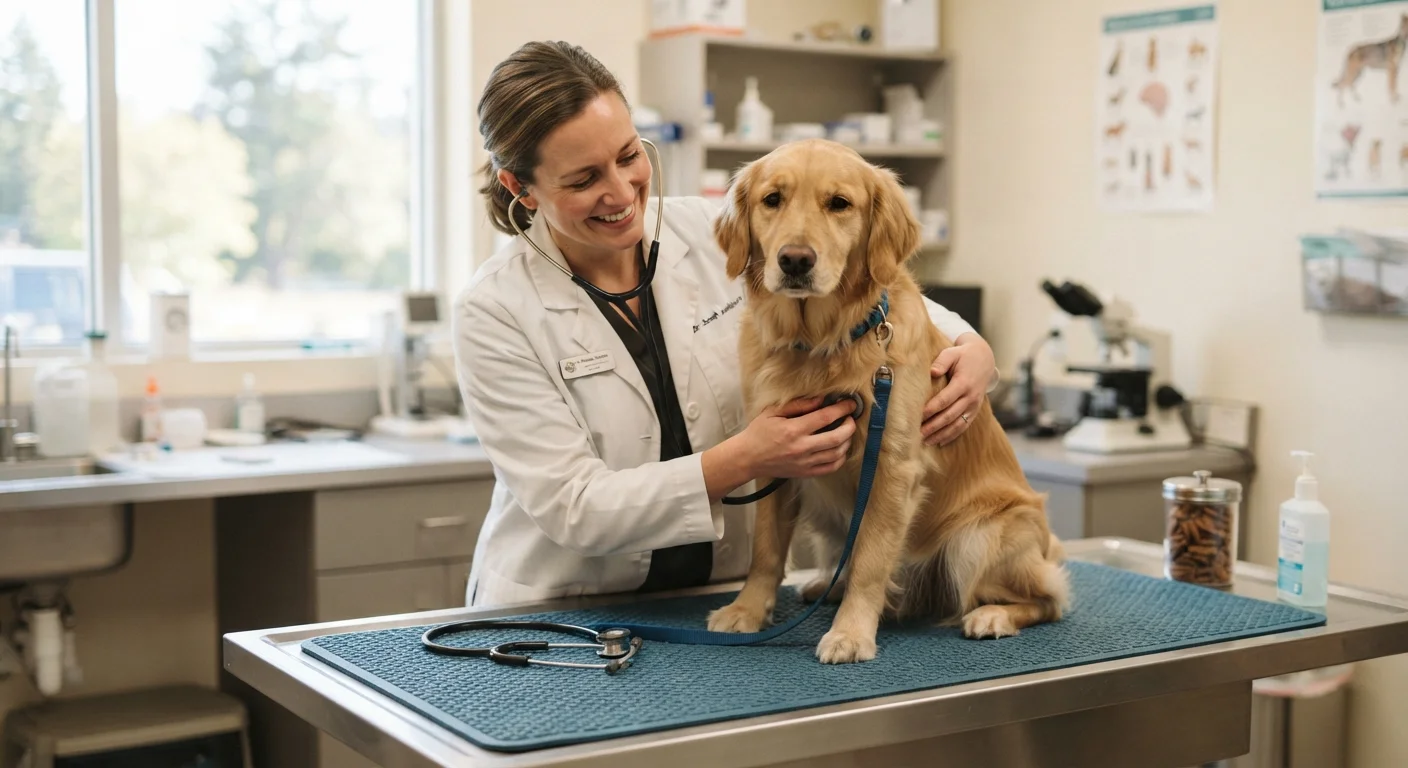
An annual wellness exam is a routine, head-to-tail physical evaluation performed by a licensed veterinarian — typically once a year for adult pets. It covers everything from heart and lung sounds to teeth, skin, and organ function. The goal is to establish a health baseline, detect early changes, and update preventive care like vaccines and parasite protection.
Veterinarians may recommend semi-annual exams for senior pets or those with chronic conditions, since age-related changes can progress faster than a yearly interval captures.
What Happens During the Exam, Step by Step
A wellness exam follows a consistent, methodical sequence — and it covers far more ground than most pet owners realize. Vets aren't simply running through a checklist; they're building a picture of your pet's health and comparing it against prior visits to spot trends.
The examination typically starts at the head. Your vet will assess the eyes for clarity, discharge, or signs of pressure issues like glaucoma. Ears are inspected for infection, mites, or wax buildup. The mouth and teeth receive particular attention — dental disease is one of the most common and underdiagnosed conditions in companion animals, and it rarely announces itself with obvious pain. For a closer look at what that means for your pet, see the truth about pet dental health.
Moving down the body, the vet palpates lymph nodes for swelling, listens to heart and lung sounds with a stethoscope, and assesses the abdomen for organ size, tenderness, or unusual masses. Skin and coat condition reflect nutrition, hormonal balance, and potential allergies. The musculoskeletal system — joints, muscle mass, gait — is evaluated for pain, stiffness, or asymmetry that might indicate early arthritis or neurological change.
Write Down Changes Before the Visit
Before your appointment, jot down any behavioral shifts, changes in appetite or water intake, new lumps, or differences in energy level — even ones that seem minor. Vets rely heavily on owner observations, and a brief note prevents details from being forgotten in the moment. This habit is especially useful if you're managing a pet prone to anxiety at the clinic.
Weight is also recorded at every visit. Even modest, unexplained weight loss or gain can be an early signal of metabolic disease, and tracking trends over time gives the vet meaningful data that a single number never could.
Lab Work: What Bloodwork and Urinalysis Actually Reveal
Physical examination has limits. Many significant conditions — early kidney disease, hypothyroidism, liver dysfunction, diabetes — produce no obvious outward signs until they've progressed substantially. That's where diagnostic testing becomes essential.
A complete blood count (CBC) measures red and white blood cells and platelets, flagging anemia, infection, and immune system changes. A chemistry panel evaluates organ function, including kidney and liver markers, blood glucose, and electrolyte balance. Urinalysis adds another layer, assessing kidney concentrating ability and detecting protein loss, crystals, or signs of infection that blood tests alone won't catch.
70%
Adult pets with signs of dental disease by age 3
According to the American Veterinary Medical Association, the majority of dogs and cats show evidence of periodontal disease by age three — a condition that's largely detected and managed through routine exams.
2x
Rate at which cats age relative to humans after maturity
Veterinary aging estimates suggest that after early adulthood, each calendar year represents roughly two human years for cats, making annual monitoring especially important for middle-aged and senior animals.
1 in 3
Dogs diagnosed with cancer in their lifetime
The American Veterinary Medical Association estimates that cancer affects approximately one in three dogs, reinforcing the value of regular physical examinations for early detection of lumps, masses, or abnormal tissue changes.
These tests are especially important as pets age. The health needs of senior pets shift considerably after age seven, and semi-annual bloodwork often becomes part of a responsible monitoring protocol at that stage.
Vaccines, Parasite Prevention, and Individualized Risk Assessment
Annual exams are also the moment to review and update your pet's preventive care plan — but this isn't a one-size-fits-all process. Vaccine protocols are tailored to each animal based on species, lifestyle, geographic location, and health status.
Core vaccines — those recommended for virtually all pets — are distinguished from non-core vaccines that depend on exposure risk. A dog that frequents dog parks has different needs than one that rarely leaves the yard. Understanding that distinction matters; our article on core vs. non-core vaccines explains how vets categorize immunizations and what shapes your pet's individual schedule.
Parasite screening and prevention — covering heartworm, fleas, ticks, and intestinal worms — is similarly reviewed at each visit. Regional parasite prevalence shifts, and the prevention plan that worked last year may need adjustment. Your vet is best positioned to make that call based on current local data.
For a broader view of how all these elements fit together across a dog's life, building a lifetime preventive care routine offers a helpful framework from puppyhood through the senior years.
Why Skipping Even One Year Carries Real Risk
The logic of annual exams isn't complicated: catching a problem early almost always results in simpler, less expensive, and more successful treatment. A small dental lesion caught at year one becomes a jaw infection by year three. Mild kidney insufficiency identified through bloodwork can be managed with diet and monitoring; advanced kidney failure has far fewer options.
The contrast between preventive care and reactive treatment is stark — not just in cost, but in outcome and quality of life for the animal. Wellness exams are the foundation of the preventive side of that equation.
Pets also age faster than humans, which means a year in an animal's life represents a much larger biological shift than it does for their owners. A dog that seemed perfectly healthy twelve months ago may now be showing the first signs of a hormonal imbalance, a developing tumor, or joint degeneration — changes that are easiest to address the moment they're detected.
This article is for general informational and educational purposes only. It is not a substitute for professional veterinary advice, diagnosis, or treatment. Always consult a licensed veterinarian for guidance specific to your pet's health needs.