

Key Takeaways
- Plant-based diets are associated with lower risks of cardiovascular disease, type 2 diabetes, and certain cancers in large observational studies.
- Quality matters enormously - a plant-based diet built on refined grains and processed foods does not confer the same benefits as one rich in whole foods.
- Several nutrients require deliberate planning or supplementation on fully plant-based diets, particularly vitamin B12, iron, calcium, omega-3s, and vitamin D.
- Research is robust in some areas and still emerging in others - honest interpretation requires distinguishing correlation from causation.
- Most plant-based benefits appear to come from overall dietary patterns, not from eliminating any single food group.
Plant-Based Diet
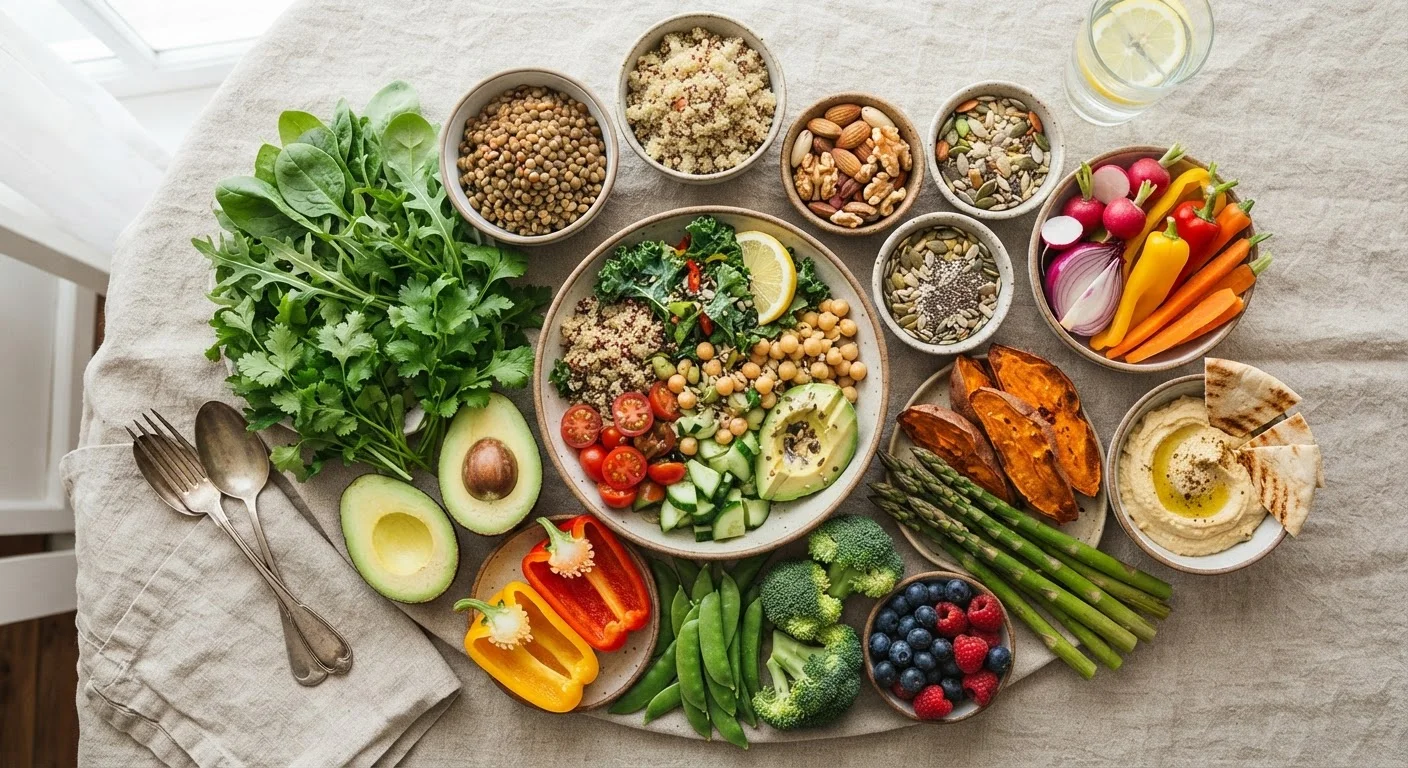
A plant-based diet is an eating pattern that centers vegetables, fruits, whole grains, legumes, nuts, and seeds, while minimizing or eliminating animal products. It exists on a spectrum - from fully vegan (no animal products) to flexitarian (mostly plants, with occasional meat or dairy). The defining feature is that plants form the foundation of daily food intake.
Researchers typically distinguish between 'plant-based' and 'vegan': a diet can be plant-based yet still include small amounts of animal foods, and being vegan does not guarantee a nutritionally sound plant-based pattern if highly processed foods dominate.
What the Research Actually Shows
The evidence base for plant-based eating is substantial but nuanced. Decades of large observational studies - including the Nurses' Health Study, the EPIC-Oxford cohort, and Adventist Health Study-2 - have linked plant-predominant dietary patterns to lower rates of cardiovascular disease, type 2 diabetes, hypertension, and certain cancers, particularly colorectal cancer.
These associations hold up across diverse populations and after adjusting for confounding factors such as smoking, exercise, and socioeconomic status. That said, nutrition epidemiology has well-known limitations: participants self-report their diets, and healthy behaviors tend to cluster together, making it difficult to isolate any single dietary factor. The evidence is strongest for whole-food, plant-rich patterns and less compelling for diets that simply replace animal foods with ultra-processed alternatives.
For a broader view of how dietary patterns compare in the literature, see our guide to dietary patterns linked to long-term health.
~25%
Lower cardiovascular disease risk in plant-based eaters
A meta-analysis published in the Journal of the American Heart Association found vegetarian diets associated with approximately 25% lower ischemic heart disease rates compared to omnivorous diets.
23%
Reduced type 2 diabetes risk
A 2019 meta-analysis in JAMA Internal Medicine found that adherence to a plant-based dietary pattern was associated with a 23% lower risk of developing type 2 diabetes.
~10%
Lower all-cause mortality in plant-predominant diets
Data from the Adventist Health Study-2 found modest but consistent reductions in all-cause mortality among vegetarians compared to non-vegetarians, after adjusting for lifestyle factors.
The Spectrum: From Flexitarian to Fully Vegan
Plant-based eating is not a single diet. It ranges from the Mediterranean pattern - which includes fish, poultry, dairy, and eggs alongside abundant vegetables and legumes - to fully vegan diets that exclude all animal products. Research does not consistently show that stricter exclusion of animal foods produces proportionally better health outcomes. Much of the cardiovascular and metabolic benefit appears to stem from increasing whole plant foods rather than from the elimination of animal products per se.
This distinction matters for sustainability. Rigid dietary rules are harder to maintain long-term, and adherence is what drives real-world outcomes. A flexitarian approach - prioritizing plants while allowing occasional animal foods - may be both manageable and well-supported by evidence. Our practical framework for building a balanced plate offers a flexible, evidence-informed starting point.
Start With Additions, Not Subtractions
Rather than focusing on what to eliminate, begin by adding more whole plant foods to meals you already enjoy. Stir leafy greens into pasta, add lentils to soups, or swap half the meat in a stir-fry for edamame. Building a richer plant foundation first makes any further dietary shifts feel less restrictive and easier to sustain.
Nutrients That Require Deliberate Attention
One of the most important - and sometimes under-discussed - aspects of plant-based eating is nutrient planning. Whole plant foods are rich in fiber, antioxidants, folate, potassium, and magnesium. But several nutrients are either absent from or poorly absorbed from plant sources:
- Vitamin B12: Found reliably only in animal products and fortified foods. Supplementation is essential for fully plant-based eaters.
- Iron: Plant foods contain non-heme iron, which is less bioavailable than heme iron from meat. Pairing iron-rich plants with vitamin C improves absorption.
- Long-chain omega-3s (EPA and DHA): ALA from flaxseed and walnuts must be converted by the body - an inefficient process. Algae-derived EPA/DHA supplements are an option for those avoiding fish.
- Calcium and Vitamin D: Dairy exclusion requires conscious replacement through fortified plant milks, leafy greens, and, for vitamin D, sun exposure or supplementation.
- Zinc and iodine: Both can be lower in plant-exclusive diets and may need monitoring.
For more on when supplementation is and isn't warranted, see Supplements vs. Whole Foods.
Bioavailability Matters as Much as Content
Two foods can contain the same amount of a nutrient on paper but deliver it very differently in the body. Plant-based iron, calcium, and zinc are bound to compounds like phytates and oxalates that reduce absorption. Cooking methods, food pairing, and preparation techniques (such as soaking and sprouting legumes) can meaningfully improve how much your body actually absorbs. A registered dietitian can help you optimize nutrient intake based on your specific dietary pattern.
Where the Evidence Has Gaps
Honest appraisal of plant-based diets includes acknowledging what the research doesn't yet fully answer. Most long-term studies are observational - they track associations, not causes. Randomized controlled trials on diet are inherently difficult: people cannot be blinded to what they eat, and compliance over years is challenging to measure. This means confidence intervals around specific risk reductions are wider than headlines often suggest.
Emerging areas include the gut microbiome. Higher fiber intake from plant foods appears to support microbiome diversity, but the clinical significance of specific microbiome changes is still being established. Our overview of gut health and diet separates established findings from speculative claims in this fast-moving field.
There are also common misconceptions worth addressing directly. If you've encountered conflicting nutrition claims, our evidence-based look at nutrition myths offers useful context. And the growing category of plant-based processed foods deserves scrutiny - for that, our piece on ultra-processed foods explains why not all plant-based products are created equal.
This article is for general informational and educational purposes only and does not constitute medical or nutritional advice. Consult a registered dietitian or qualified healthcare provider before making significant changes to your diet, especially if you have an existing health condition.