

Key Takeaways
- Matte and flat finishes hide surface imperfections best but are harder to wipe clean.
- Eggshell and satin are the most versatile finishes for everyday living spaces.
- Semi-gloss and gloss finishes offer maximum durability and moisture resistance for high-traffic or wet areas.
- Sheen level affects how much light a room reflects, which can make spaces feel larger or smaller.
- Matching finish to room function prevents premature wear and reduces repainting frequency.
Paint Finish (Sheen Level)
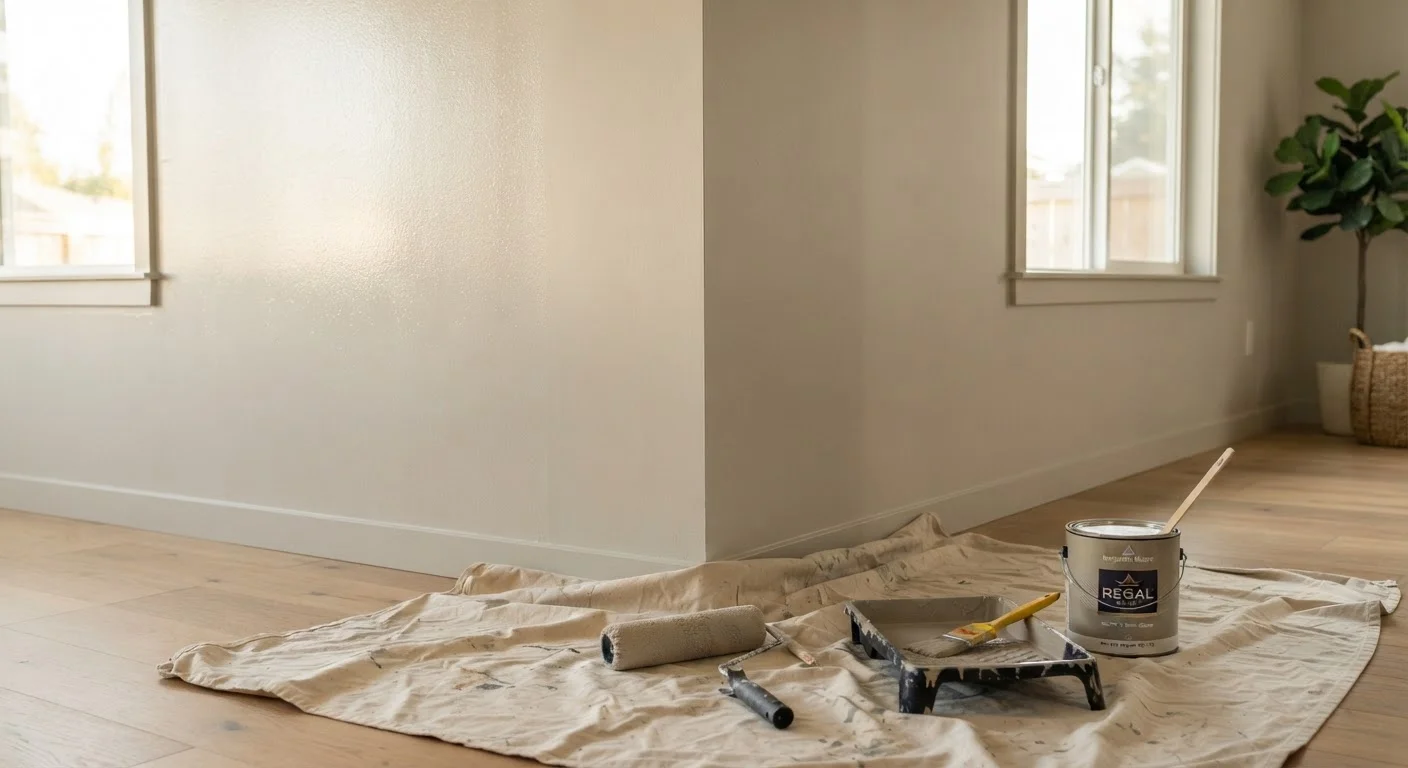
A paint finish refers to the degree of gloss or shine a dried paint coat has on a surface. Finishes range from completely flat (matte) to highly reflective (gloss), and each level affects how light bounces off walls, how easy a surface is to clean, and how well it hides imperfections. Choosing the right finish for a given room is as important as picking the right color.
Sheen level is determined by the ratio of binder to pigment in a paint formula; higher binder content produces greater reflectivity and surface hardness.
The Five Main Paint Finishes, Explained
Walk into any paint department and you'll encounter at least five distinct finish categories. Here's what each one actually means in practical terms:
- Flat/Matte: No measurable sheen. Absorbs light, hides wall imperfections, and produces a velvety appearance. Difficult to wipe down without leaving marks.
- Eggshell: Very low sheen - think the surface of an actual eggshell. Slightly more washable than flat and still forgiving of minor wall flaws.
- Satin: A soft, pearl-like glow. Noticeably more cleanable than eggshell and holds up well against humidity and moderate scrubbing.
- Semi-Gloss: Clearly reflective with a distinct shine. Highly moisture-resistant and very easy to wipe clean. Shows surface imperfections more readily.
- Gloss/High-Gloss: Maximum reflectivity and hardness. Typically reserved for trim, doors, and cabinets rather than large wall surfaces.
Each step up the sheen ladder increases durability and cleanability while reducing the finish's ability to hide bumps, ridges, or patched areas on walls.
80%
Of interior walls painted in eggshell or satin
Industry painting professionals commonly report that eggshell and satin account for the large majority of interior wall applications in residential projects due to their versatility.
3-5x
More scrub-resistant than flat paint
Satin and semi-gloss finishes can withstand significantly more cleaning cycles before showing wear compared to flat or matte paints, according to general paint performance testing standards.
Matching Finish to Room Function
The most common mistake homeowners make is choosing a finish based solely on aesthetics. Function should drive the decision first, with appearance as a secondary consideration.
Low-Traffic Rooms: Bedrooms and Formal Spaces
Matte and eggshell finishes are ideal for adult bedrooms and dining rooms where walls rarely face scrubbing. The low sheen creates a sophisticated, warm look and conceals any texture unevenness - especially useful in older homes with plaster walls.
Living Rooms and Family Rooms
Eggshell or satin strikes the right balance here. These spaces see regular activity, and occasional fingerprints or scuffs need to wipe off easily. Satin handles a busier household - including kids and pets - with fewer touch-ups over time.
Kitchens and Bathrooms
Moisture, grease, and steam demand semi-gloss at minimum. This finish repels water, tolerates frequent wiping, and maintains its integrity in fluctuating humidity. If you're also addressing moisture at a structural level, see our guide to weatherproofing your home room by room for complementary strategies.
Trim, Doors, and Cabinets
Semi-gloss or high-gloss is the standard choice. These surfaces take the most physical contact and need to resist impact and repeated cleaning without dulling or peeling.
Ceilings
Flat paint is almost universally recommended. Ceilings don't need to be scrubbed, and a non-reflective finish prevents overhead lighting from spotlighting every drywall seam or imperfection.
Test Your Finish Before Committing
Before buying full gallons, purchase sample pots in your chosen color and finish. Paint two large swatches on the actual wall and observe them at different times of day - morning light, afternoon sun, and evening artificial light. A finish that looks perfect at noon may read very differently under lamp light. This small step can prevent a costly repainting project.
Sheen, Light, and the Look of Your Space
Beyond durability, sheen level changes how a room feels visually. Higher-gloss finishes bounce light around the room, which can make smaller spaces feel more open and bright. Matte finishes absorb light and create a more intimate, cocooning effect - a good choice when you want a large room to feel warmer and less cavernous.
North-facing rooms that receive limited natural light often benefit from a satin finish rather than matte, since the added reflectivity compensates for lower light levels without introducing the harshness of a semi-gloss.
“The finish you choose affects not just how a color looks, but how the entire room feels - its mood, its perceived size, and how it ages over time.”
— Bob Vila, Home improvement authority and television host
It's also worth noting that sheen subtly shifts color perception. The same paint color applied in matte versus semi-gloss will look noticeably different on the wall - the glossier version will appear slightly lighter and more vibrant. When sampling colors, always test them in the intended finish to get an accurate preview.
If you're reorganizing a shared home and want paint choices that work for different occupants' needs and habits, our article on organizing a home when everyone has different habits offers practical guidance on making spaces functional for everyone.