

Key Takeaways
- Flexibility measures passive muscle length; mobility measures active, controlled joint range of motion.
- High flexibility does not guarantee functional mobility - control matters as much as range.
- Both qualities decline with age and sedentary behavior, but both respond well to consistent training.
- Combining stretching, strength work, and movement practice is the most effective approach for most adults.
- Consult a healthcare professional before starting a new flexibility or mobility program if you have joint pain or an existing condition.
Flexibility vs. Mobility
Flexibility is the ability of a muscle or muscle group to lengthen passively - essentially, how far a muscle can stretch when an external force is applied. Mobility is the ability of a joint to move actively through its full, intended range of motion under your own muscular control. You can be flexible without being mobile, and improving one does not automatically improve the other.
In clinical and sports science literature, mobility encompasses neuromuscular control, joint stability, and proprioception - not just tissue extensibility. This is why passive stretching alone is often insufficient for functional movement improvement.
The Core Distinction: Passive Length vs. Active Control
The terms flexibility and mobility are used interchangeably in gyms and fitness content, but they describe meaningfully different physical qualities. Conflating them can lead to training approaches that address one while ignoring the other - and leave real gaps in how your body moves.
Flexibility refers to how far a muscle or connective tissue can lengthen when an outside force acts on it. When someone assists your leg into a hamstring stretch, the range you achieve reflects flexibility. Your muscles are passive participants.
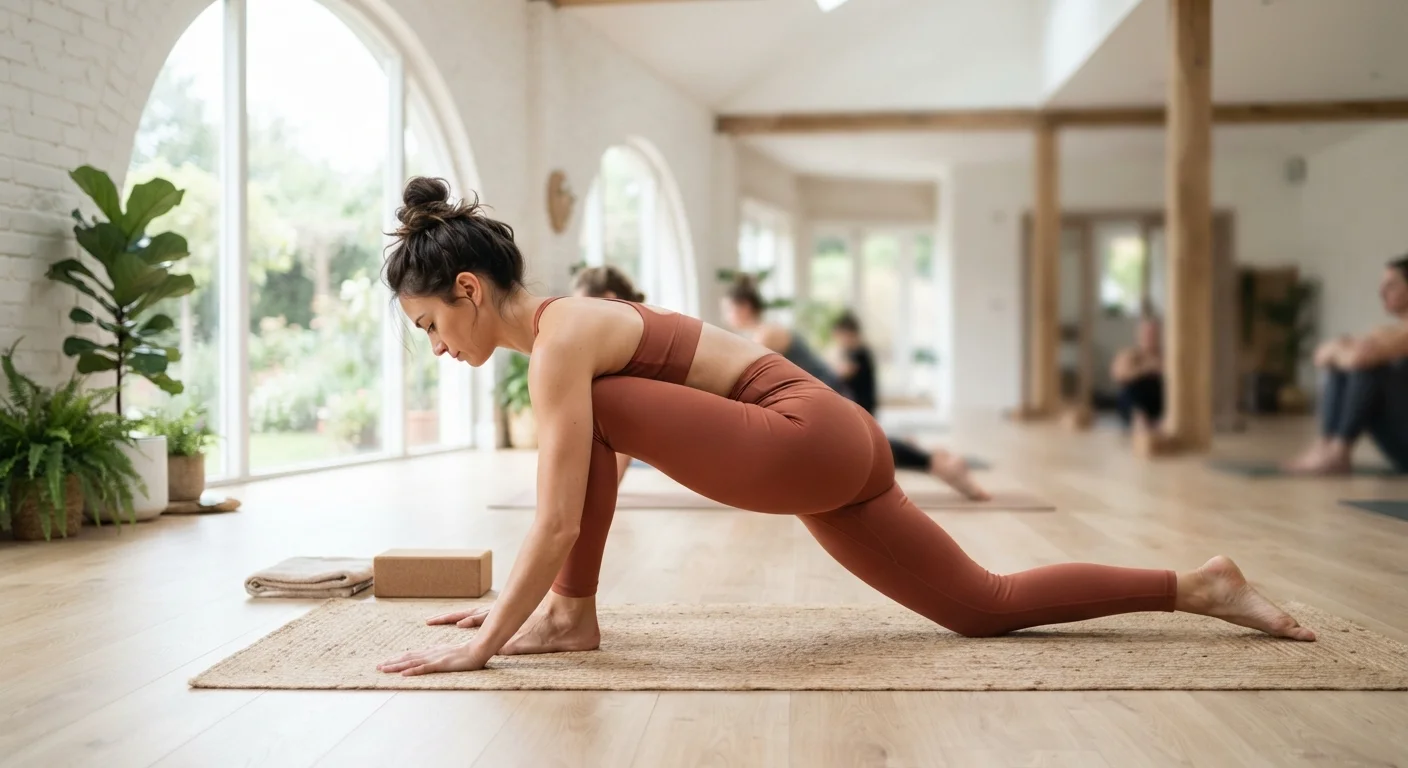
Mobility refers to how much range of motion a joint can achieve under its own muscular power. When you squat deeply, drive your knee overhead, or rotate your thoracic spine, you are expressing mobility - your nervous system, muscles, and joints are all actively involved.
A useful way to think about it: flexibility is the raw material; mobility is how well you can actually use it.
Flexibility and Mobility Are Not Interchangeable Goals
Stretching programs marketed as 'flexibility training' primarily target passive muscle length. If your goal is better functional movement - easier squatting, reduced lower-back stiffness, improved athletic performance - you will need to include active mobility drills alongside passive stretching. Understanding which quality you're actually training helps you choose the right tools.
Why the Gap Between the Two Matters
It's entirely possible to score well on one and poorly on the other. A sedentary person who practices yoga may develop impressive hamstring flexibility without ever building the hip strength and spinal control needed to hinge well in daily life. Conversely, a strength-focused athlete might have strong, mobile shoulders through a functional range but feel tight and restricted on a passive stretch test.
This gap has real consequences. Functional movement - picking up groceries, climbing stairs, reaching overhead - demands active joint control, not just tissue length. When mobility is limited, the body compensates by borrowing range from adjacent structures, which can contribute to strain and poor mechanics over time.
~80%
Adults not meeting flexibility guidelines
CDC physical activity data consistently shows the majority of U.S. adults do not include muscle-strengthening or flexibility activities in their weekly routines.
30-40%
Reduction in passive range of motion with inactivity
Research in exercise physiology suggests that extended periods of inactivity can reduce joint range of motion measurably, though the degree varies by joint and individual.
Training both qualities closes this gap. Passive stretching builds tissue length; active drills, loaded movement, and neuromuscular exercises teach the body to use that length with stability and control.
Practical Approaches to Training Each Quality
Addressing flexibility and mobility doesn't require separate, elaborate programs. Most adults can weave both into their existing routines with targeted additions.
For Flexibility
- Static stretching - holding a stretch for 20-60 seconds - is well-supported for increasing muscle length over time, particularly when done consistently after exercise or during a dedicated session.
- Proprioceptive neuromuscular facilitation (PNF), a technique that alternates contraction and relaxation, is among the most effective methods for improving passive range of motion, though it's best learned with a qualified practitioner.
For Mobility
- Dynamic warm-ups that move joints through their range actively - leg swings, hip circles, thoracic rotations - prepare the body for activity and reinforce joint control.
- Loaded mobility work, such as controlled bodyweight squats, deep lunges, and Turkish get-ups, simultaneously challenges range and builds the strength to control it.
- Movement flows drawn from practices like yoga, animal movement, or functional fitness bridge flexibility and mobility training in an accessible way.
For those building or refreshing a movement routine, understanding how different activities serve different goals can help prioritize what to add first.
Start With Five Minutes of Active Movement
Rather than committing to a long stretching routine, begin with just five minutes of active joint circles and dynamic movements each morning. Hip circles, shoulder rolls, and ankle rotations done with intention address mobility directly and are easy to sustain. Passive stretching can be added after activity, when tissues are warm and more responsive.
Building Both Into a Consistent Routine
The most common barrier to flexibility and mobility work isn't knowledge - it's consistency. Both qualities respond to regular, moderate effort far better than infrequent intense sessions. Even 10 minutes of daily movement practice, sustained over weeks, tends to produce noticeable changes in how the body feels and functions.
Adults who find structured fitness routines hard to maintain often do better when flexibility and mobility work is attached to existing habits - a morning routine, a post-walk stretch, or the cool-down after another workout. Low barriers, repeated exposure, and gradual progression are the keys.
How exercise needs and priorities shift over time is worth understanding, too. Physical activity needs change across the decades, and mobility work tends to take on greater importance as connective tissue and recovery capacity evolve with age.
This article provides general health and fitness information for educational purposes only. It is not a substitute for personalized advice from a qualified healthcare or exercise professional. If you have joint pain, a diagnosed condition, or are recovering from injury, consult a licensed professional before beginning a new movement program.