

Key Takeaways
- Free and low-cost activities can anchor a full, rewarding itinerary without sacrificing depth.
- Local parks, public markets, museums with free days, and walking tours cost little to nothing.
- Structuring your days around one anchor experience saves both money and decision fatigue.
- Flexibility and neighborhood exploration often lead to the most memorable travel moments.
- Researching free entry days, community events, and seasonal programming pays off significantly.
What you will need
Why Free-First Planning Works
The assumption that a memorable trip requires expensive tickets is one of the most persistent myths in travel. In reality, many of the experiences people describe most vividly — a morning at a local market, a long walk through an unfamiliar neighborhood, stumbling into a free outdoor concert — cost nothing at all.
Free-first planning isn't about deprivation; it's about reorienting toward the parts of travel that actually deliver depth: place, people, and pace. Paid attractions are often time-pressured and crowded. Free experiences tend to be more open-ended and allow you to engage on your own terms.
This approach also gives you more flexibility mid-trip. When your baseline daily spend is low, an unexpected opportunity — a cooking class, a local tour, a spontaneous day trip — doesn't blow your budget. It's a shift in default, not a restriction.
Use Official City Tourism Sites First
Most US cities and major international destinations maintain free event calendars through their official tourism boards. These are curated, accurate, and updated regularly — far more reliable than travel blogs that may be months out of date. Bookmark the local city tourism page as soon as you choose your destination.
If you're completely new to structuring a trip from scratch, the first-timer's trip planning roadmap will help you lay the groundwork before diving into the steps below.
Common Free and Low-Cost Experience Categories
Before following the steps, it helps to know the landscape of what's typically available at low or no cost. Here are the most reliable categories to research for any destination:
- Public parks and natural areas: National parks charge entry fees, but state parks, city parks, beaches, and public trails are often free or very low cost.
- Museum free days: Many major museums — art, natural history, science — offer free admission on rotating days or evenings.
- Walking and self-guided tours: Historic neighborhoods, architecture routes, and public art trails are inherently free and often more interesting than guided alternatives.
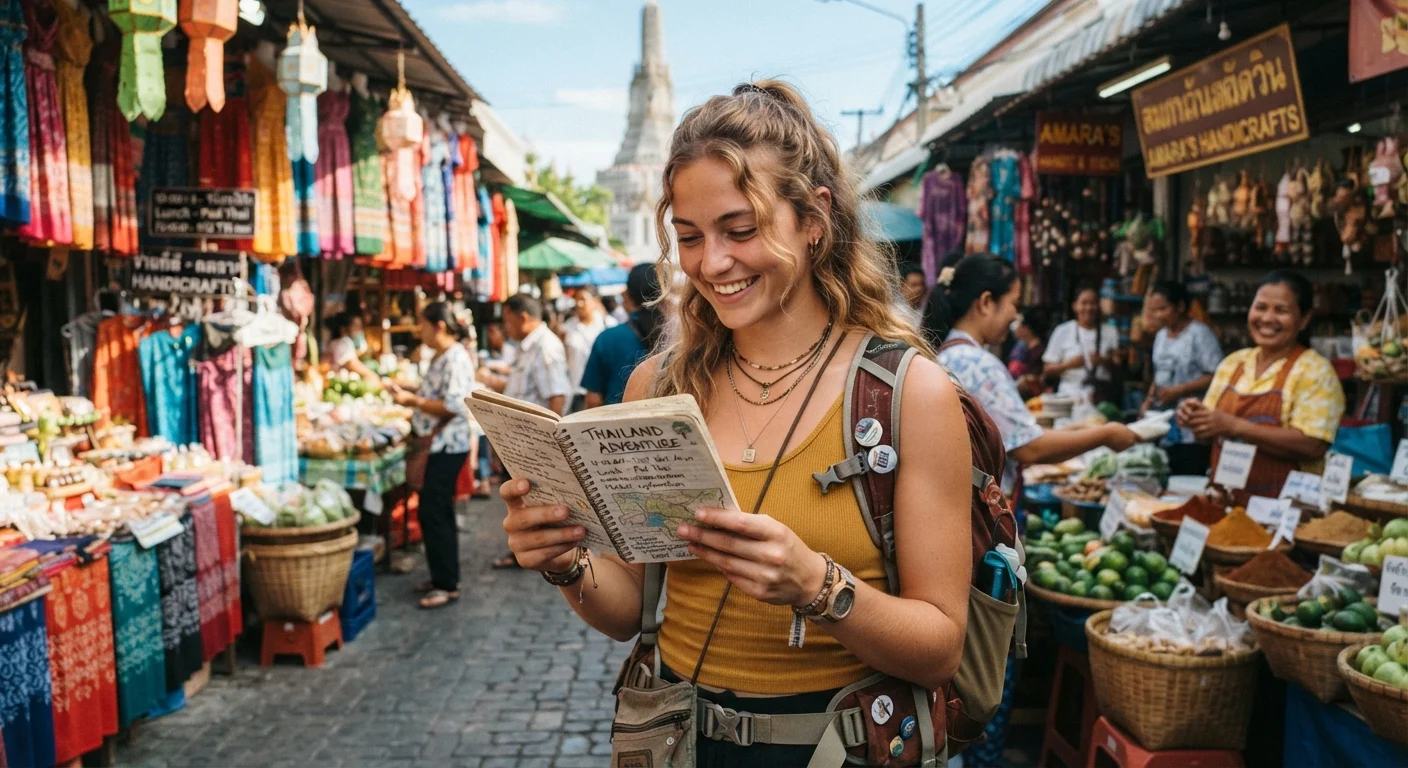
- Public markets: Farmers markets, fish markets, and artisan markets offer atmosphere, local flavor, and browsing at no cost.
- Community events and festivals: Concerts in the park, street fairs, cultural festivals, and public ceremonies are commonly free and deeply local in character.
- Libraries and cultural centers: Public libraries in many cities host free exhibits, readings, film screenings, and talks open to all visitors.
Verify Hours and Entry Policies Before You Go
Free admission days, seasonal programming, and public event access can change without much notice. Always confirm details directly with the venue or through official city tourism websites before building your schedule around them. Showing up to a closed museum or a canceled market is a frustrating and avoidable setback.
Structuring your search around these categories gives you a reliable framework regardless of destination — whether you're exploring a major US city or traveling internationally. For general budget-building context, see the Budgeting & Saving hub.
How to Follow These Steps
The six steps below walk you through the full process of building a free-first itinerary — from initial research through final review. Work through them in order; each step builds on the previous one. You'll need the tools and prerequisites listed above before you begin.
What you will need
Official city tourism or visitor bureau website
Locate free events, cultural programming, and public attractions specific to your destination.
Google Maps (or equivalent mapping app)
Group nearby free activities by neighborhood to minimize transit time and costs.
Itinerary planning spreadsheet or app
Organize day-by-day activities, backup options, and opening hours in one place.
Local public transit app or trip planner
Navigate affordably between neighborhoods without relying on taxis or rideshares.
Research your destination's free and low-cost offerings
Before you schedule anything, spend time identifying what your destination actually offers at no or minimal cost. Think beyond obvious landmarks: consider neighborhood walking routes, public parks and green spaces, free museum admission days, outdoor sculpture gardens, street markets, community festivals, and library events open to visitors.
Search your destination's official tourism site, local subreddits, and city event calendars. Note recurring free offerings (every first Sunday, for example) alongside one-time events that overlap with your travel dates.
Map activities by neighborhood to reduce transit costs
Scattered itineraries waste both time and transportation money. Once you have a list of free activities, plot them on a map and group them by proximity. Aim to cluster two to four experiences per neighborhood per day so you can walk between them.
This approach also makes your trip feel more immersive — wandering a single district on foot reveals details that rushing between paid attractions never would. For affordable transit between neighborhoods, consult our guide on low-cost ground transportation.
Build each day around one anchor experience
Choose one meaningful activity per day as the anchor — a free outdoor concert, a renowned public market, a self-guided historic walking route — and let the rest of the day flow around it. This structure prevents decision fatigue and ensures you always have a clear purpose, even on unplanned mornings.
The anchor doesn't need to be elaborate. A long, unhurried visit to a famous public park can be more satisfying than three rushed ticketed sites. For a deeper look at structuring days effectively, see building a travel itinerary that actually works.
Add flexible fill-in options, not rigid backups
Keep a shortlist of two or three additional free activities per day that you could do — not that you must do. Weather, energy levels, and unexpected local finds will naturally reshape your day. Rigid over-scheduling is the enemy of good travel.
Good fill-in options include: a waterfront walk, a browse through a local bookshop or market, sitting in a neighborhood café, or exploring a residential street known for interesting architecture. These cost little or nothing and often become the highlights people remember most.
Budget your paid splurges intentionally
A free-first itinerary doesn't mean zero spending on experiences — it means being deliberate. Identify one or two paid experiences per trip that genuinely excite you and budget for those specifically. Concentrating discretionary spending on what matters most to you is more satisfying than spreading thin across many mediocre tickets.
If you're new to building a travel budget framework, the budget travel starting point for first-timers covers the fundamentals in plain language.
Review and refine the itinerary before departure
A day before you finalize your travel plans, review the entire itinerary end-to-end. Confirm opening hours, check for any special closures or entry requirements, and make sure travel time between activities is realistic. Remove anything that creates unnecessary pressure or back-to-back rushing.
For a set of universally applicable planning habits that reduce pre-trip surprises, planning approaches that hold up across any destination is worth a read before you finalize.
Don't Over-Schedule Your 'Free' Days
It's tempting to pack free days with as many no-cost activities as possible. But cramming too much in leads to rushed experiences and travel fatigue — check out our piece on why overpacked itineraries underdeliver to understand why breathing room matters. Leave buffer time between activities so spontaneous discoveries have space to happen.